How to Explain Follow-Up Questions to Help Kids Understand Big Feelings (Anger, Worry, Sadness)
Understanding Big Feelings Through Gentle Follow-Up Questions
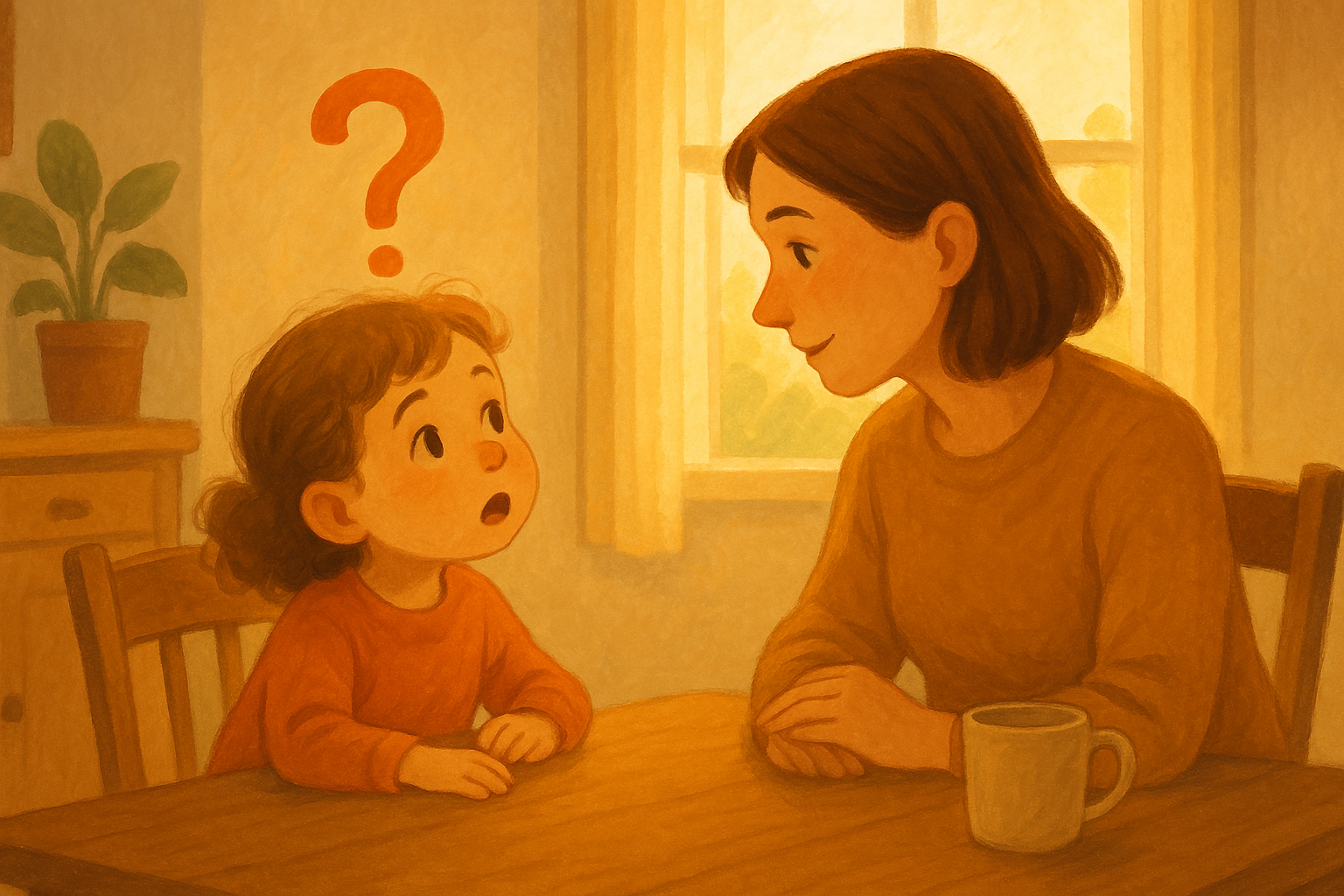
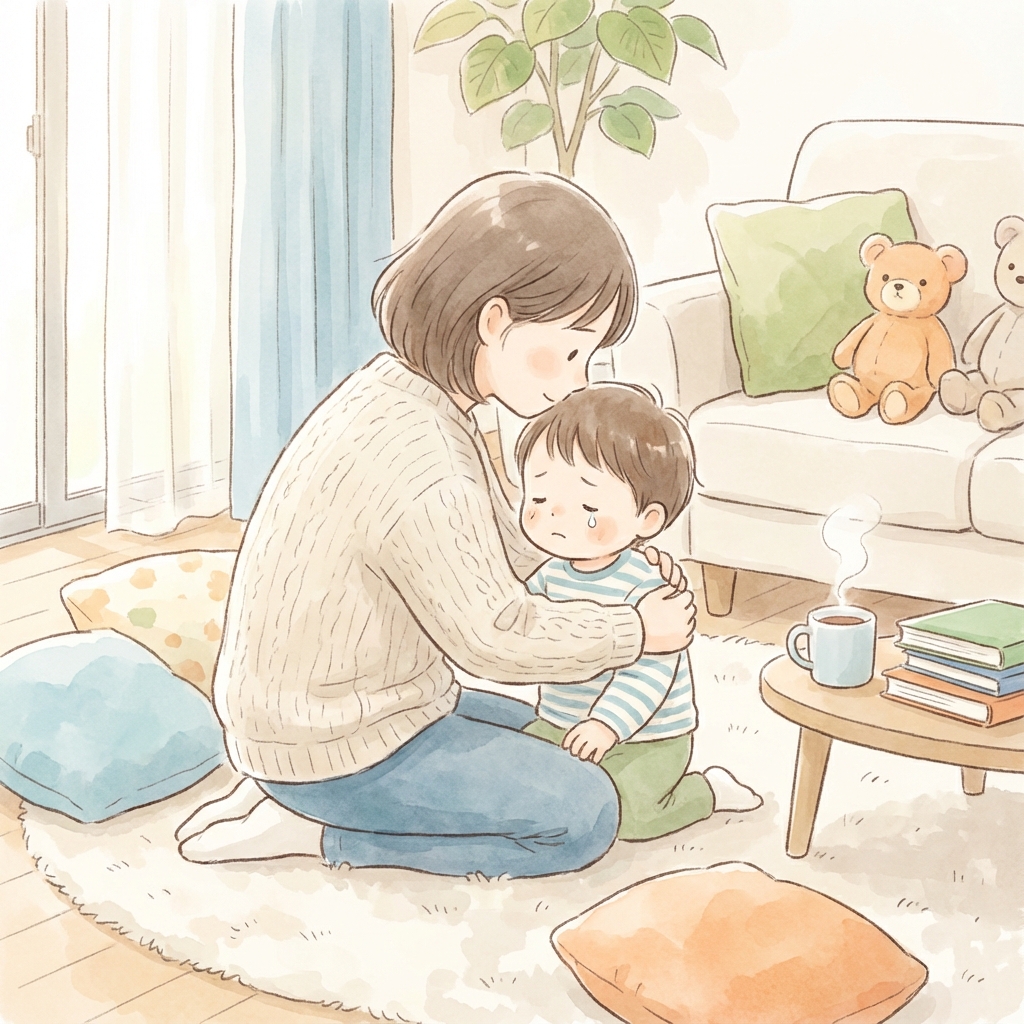
Every parent knows the moment: your child is crying, or stomping, or suddenly quiet, and when you ask, "What's wrong?" you get a shrug, an "I don't know," or no answer at all. This is incredibly normal. Children between ages 3 and 12 are still developing the brain structures that help them notice, name, and explain their feelings. Follow-up questions—gentle, simple, and curious—act like soft lanterns that help kids find their way through the dark hallway of big emotions.
This article gives you warm scripts, simple analogies, and developmentally informed guidance for helping kids understand anger, worry, and sadness without overwhelm or shame.
The Analogy: Feelings Are Like Weather
Tell your child: "Feelings are like weather inside our bodies. They can come quickly, change shape, and blow away over time."
Anger is like a fast storm, worry like fog, and sadness like rain. None of them are "bad"—they're signals. Follow-up questions act like checking the weather report: they help us know what to expect and what we might need.
For parents, this analogy is helpful because it reminds you that kids are not choosing their "weather." They're simply experiencing it. Your questions help them understand the climate they're living in.
The Adult Context: What Kids Can and Can't Do Yet
Young children often struggle with three core emotional skills:
- Noticing: Recognizing a feeling rising in their body.
- Naming: Matching the body sensation to an emotion word.
- Narrating: Explaining the why or how of the feeling.
The prefrontal cortex—the part of the brain that helps with reflection, impulse control, and emotional explanation—is still under construction through adolescence. This means follow-up questions need to be short, concrete, and nonjudgmental.
When asked a big question like "Why are you angry?" kids often feel overwhelmed. But a small, specific follow-up like "Was your body feeling tight or hot?" gives them an easier doorway into understanding.
Follow-Up Questions for Anger
Anger is often the loudest emotion and the easiest for kids to show, but it's not always the root feeling. Your questions should help uncover the deeper layers without scolding or lecturing.
Try saying this:
"I see your anger. I'm here with you. Can we figure out what your body was telling you?"
Useful follow-up questions:
- "Where in your body did the anger show up first?" (gives kids an anchor)
- "Did something feel unfair or surprising?"
- "Were you trying to do something and it got blocked?"
- "Was this a big anger or a small anger? What made it big/small?"
- "Do you need space or help right now?"
You're helping your child develop the skill of internal checking—a lifelong emotional regulation tool.
Follow-Up Questions for Worry
Worry creeps in quietly. Kids may not recognize it, but you might see stomachaches, clinginess, or sudden avoidance. Follow-up questions help bring the fuzzy feeling into clearer shape.
Try saying this:
"Worry loves to whisper stories. Let's listen together so it doesn't feel so big."
Useful follow-up questions:
- "What do you think your worry was trying to warn you about?"
- "Did your brain show you a picture that felt scary or confusing?"
- "Was this a "maybe-danger" or a real danger?"
- "If your worry could talk, what would it say?"
- "What helps your worry shrink: breathing, talking, moving, or something else?"
These questions give kids gentle power. They learn that worry isn't a boss; it's a messenger.
Follow-Up Questions for Sadness
Sadness often shows up when something meaningful is lost: a toy breaks, a friend is unkind, a plan changes, or a pet is gone. Because sadness can make kids quiet or withdrawn, follow-up questions need to be extra soft.
Try saying this:
"Sadness tells us something mattered. I'm glad you're sharing it with me."
Useful follow-up questions:
- "What part of the day felt the heaviest?"
- "Did something important change?"
- "Are you missing someone or something?"
- "Does your sadness feel like a drizzle or a big rain?"
- "What helps your body feel comfort when sadness visits?"
These questions help kids see sadness not as something to hide but as something understandable and temporary.
The Script: What Parents Can Say in the Moment
Below is a parent-friendly script that works for most big-feeling moments. Adjust it to your child's language level:
"I see a big feeling happening. You're safe. I'm here. Can you help me understand by telling me what your body felt first? Was it tight, hot, shaky, heavy, or something else? Did something happen right before you felt it? I'm listening. We'll figure it out together."
This script reassures your child that nothing scary is happening, reduces shame, and opens the door for communication.
The "Do": Activities to Help Kids Understand Their Feelings
Here are three simple, practical activities that reinforce emotional awareness through follow-up questions:
1. Feelings Body Map
Have your child trace an outline of a body or use a printable. Ask them to color where anger, worry, or sadness shows up. Then follow up with: "What tells you the feeling is getting bigger?"
2. Weather Report Check-In
Ask your child each morning: "What's your inside weather today?" Follow up with: "What made it that weather? What might help the weather change if you want it to?"
3. The Worry to Wisdom Jar
Kids write or draw a worry, then drop it in a jar. Later, pull one out and ask: "What was this worry trying to protect you from? Does it still feel big or smaller now?"
These activities show children that feelings aren't mysterious problems but experiences they can explore and understand.
Common Myths Parents Can Release
- Myth: Talking about feelings will make them worse. Reality: Naming feelings reduces their intensity.
- Myth: Kids should know why they're upset. Reality: Emotional insight develops with time, modeling, and questions.
- Myth: If a child can talk, they can explain their feelings. Reality: Talking and emotional reasoning are separate skills.
Letting go of these myths helps you approach follow-up questions with patience and confidence.
For Older Kids: Going One Step Deeper
Tweens may be ready for slightly more reflective questions:
- "What part of this situation matters most to you?"
- "What story did your brain tell you in that moment?"
- "What would you want someone else to know about your feeling?"
Older kids appreciate being treated as partners in understanding their emotions rather than recipients of adult interpretation.
Final Thought: Curiosity Is the Bridge
Follow-up questions aren't about interrogating a child or fixing a problem. They're about companionship. Your calm curiosity tells your child, "Your feelings make sense. You make sense. And we can make sense of things together."
With time, your child learns to use these same questions on themselves—a gift that supports emotional health well into adulthood.
Start explaining the world today
Join thousands of parents who use Little Answers to turn 'Why?' into a moment of connection.