Little Answers Blog
Resources for parents raising curious minds.
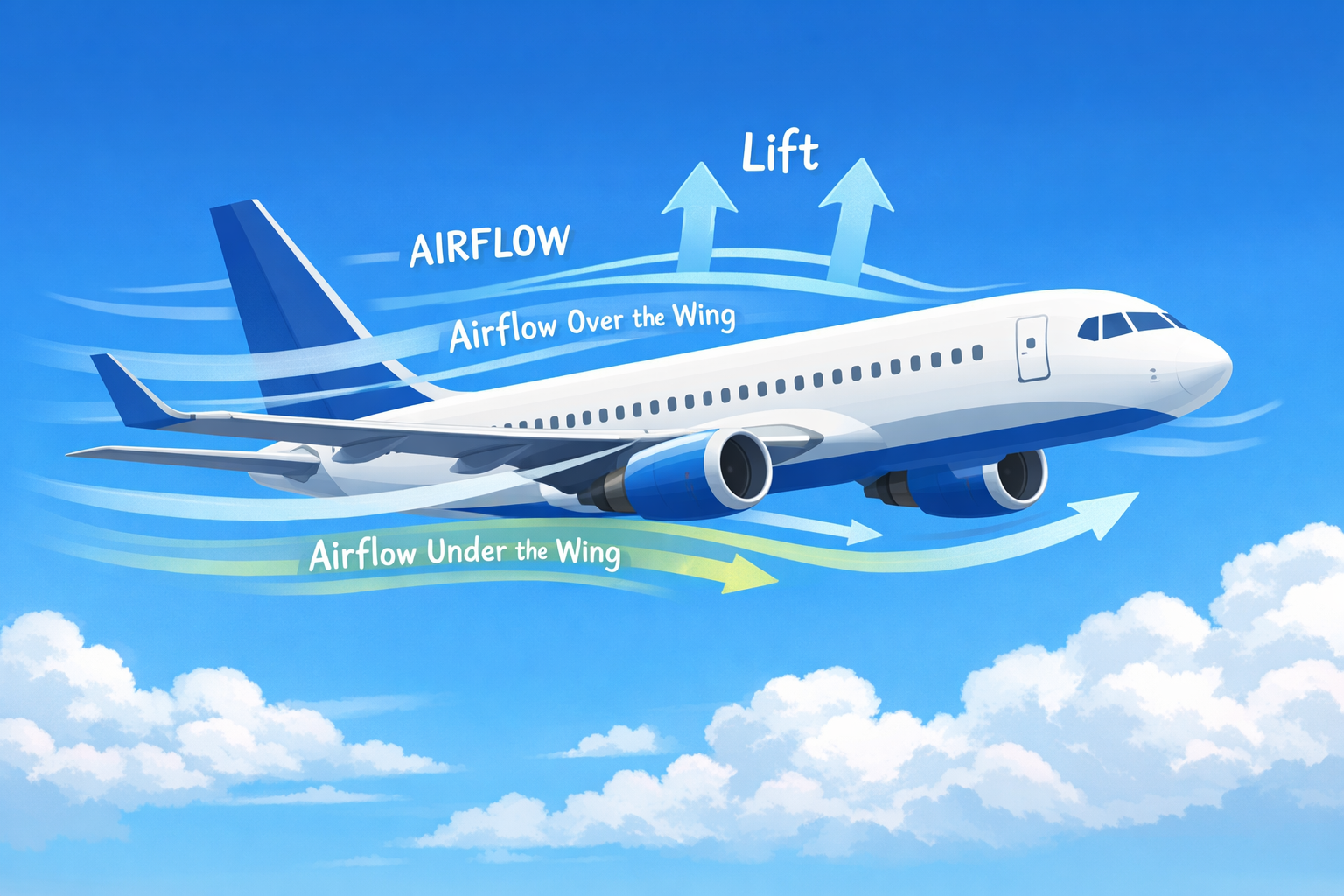
How Do Airplanes Fly?
Airplanes look heavy and solid, yet they rise into the sky with ease. This parent-friendly guide explains the real science behind flight in a way you can confidently share with curious kids.
Read more
What Happens When You Die? A Gentle, Honest Way to Talk With Kids
Children ask big questions about death long before adults feel ready to answer them. This guide helps parents respond with warmth, clarity, and age-appropriate honesty—without overwhelming or frightening kids.
Read more
Why Do We Dream? A Kid-Friendly Look at the Science Behind Nighttime Stories
Dreams can feel funny, exciting, or even a little scary — and parents often wonder how to explain them. This warm, science-based guide explores why we dream and how to talk about dreams with kids in a reassuring way.
Read more
Why Is the Sky Blue?
Children ask it constantly, and adults often stumble over the answer. Here’s a warm, science-backed way to understand why the sky is blue—and how to explain it clearly to kids.
Read more
Why Do We Have to Brush Our Teeth? The Science Behind a Daily Battle
If your child asks why brushing matters when their teeth look fine, you're not alone. This parent-friendly guide explains the real science of plaque, enamel, and cavities in a way kids can understand.
Read more
How to Help Kids Wind Down Their Curious Minds at the End of the Day
When a child’s body is tired but their mind won’t stop buzzing, bedtime can feel impossible. This gentle, science-informed guide helps parents support curious kids as they shift from wondering to resting.
Read more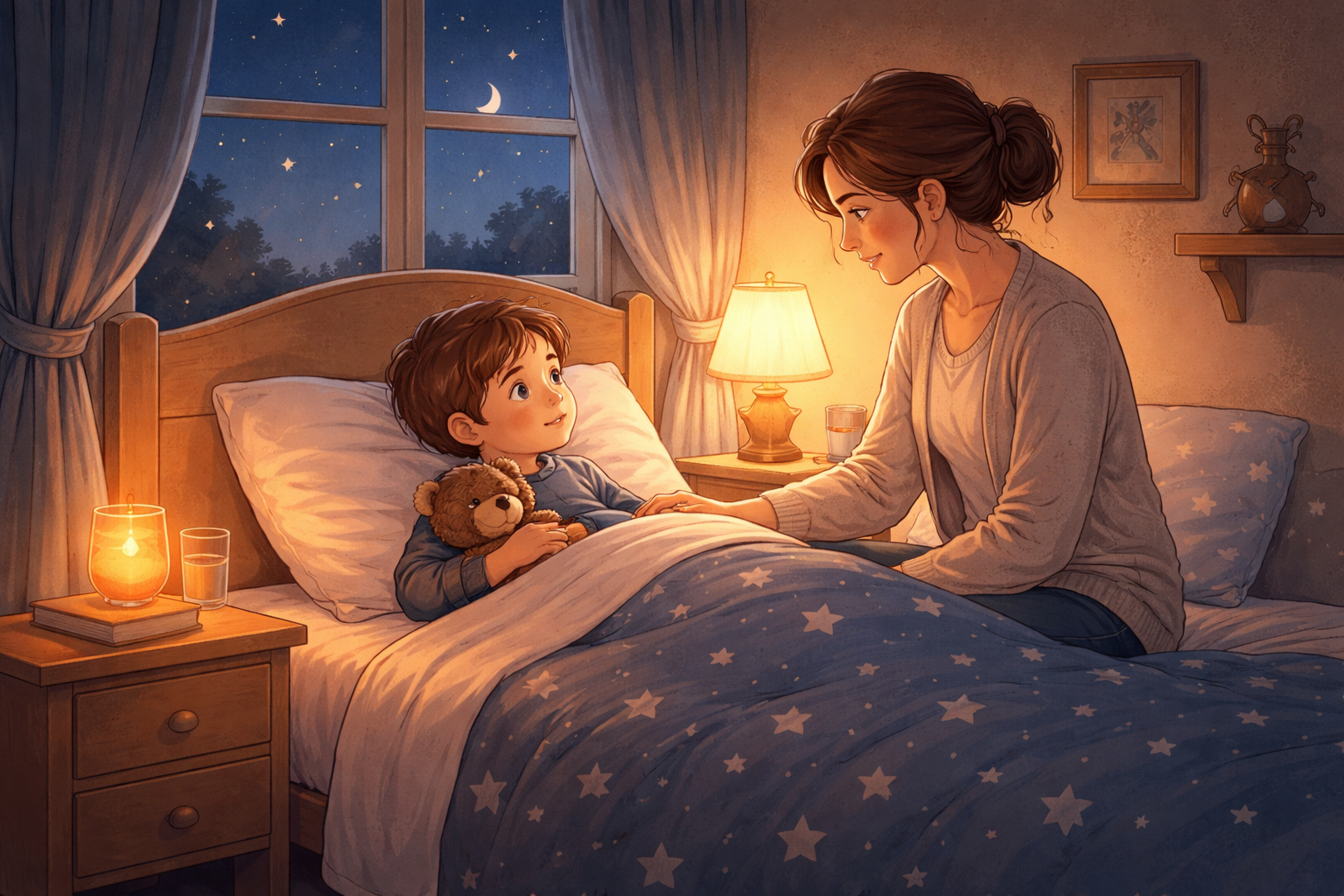
How to Talk to Kids About Being Scared of the Dark (Without Dismissing Their Feelings)
Fear of the dark is one of childhood’s most common worries—and one of the easiest to accidentally mishandle. This guide helps parents respond with empathy, science, and confidence-building strategies that actually work.
Read more
When to Say “I Don’t Know” to Your Child (and Why It Builds Trust)
Parents feel pressure to have all the answers, but sometimes the most powerful response is "I don’t know." Knowing when and how to say it can strengthen your child’s curiosity, confidence, and trust in you.
Read more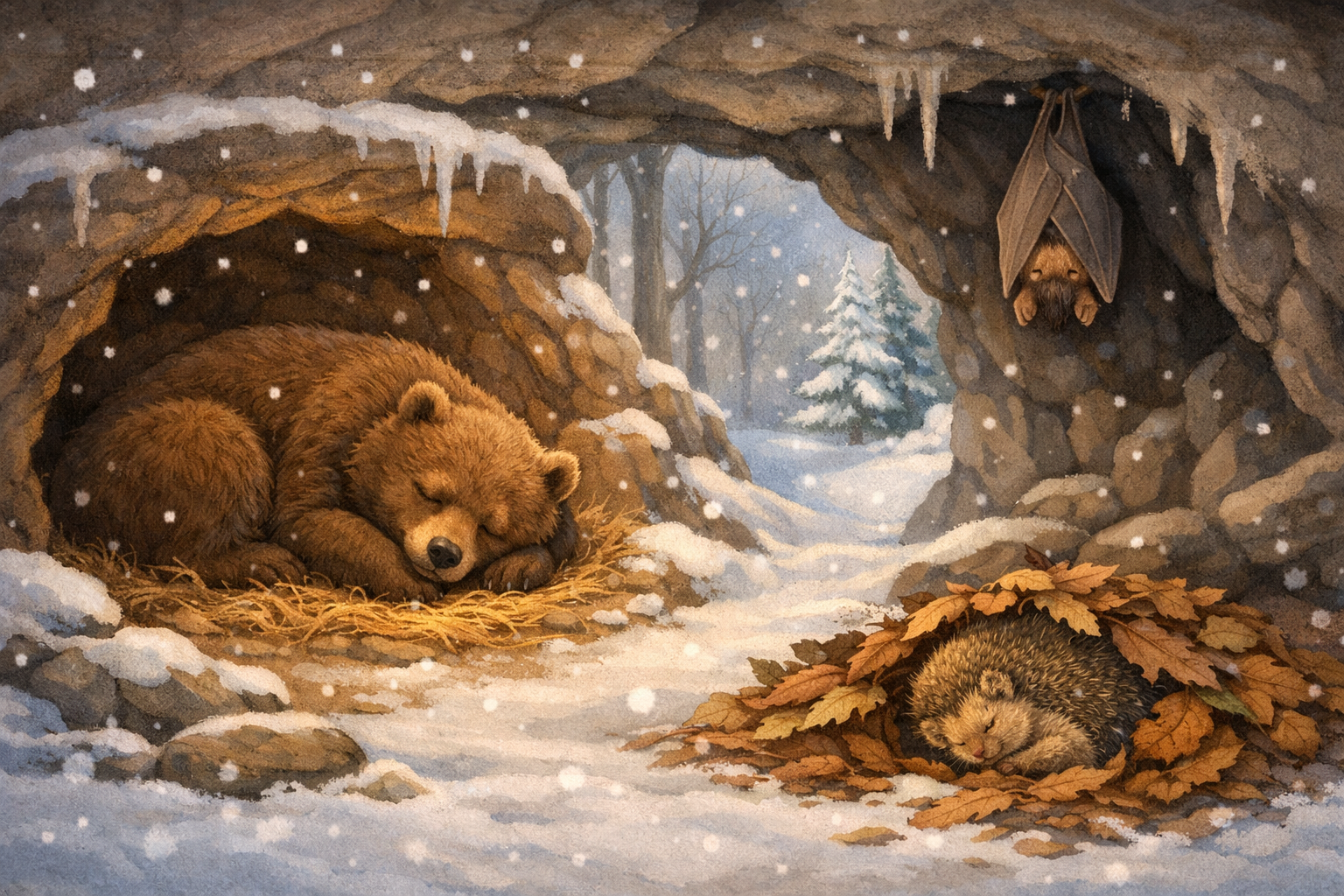
Why Animals Hibernate: Explained for Kids (and the Parents Who Answer the Questions)
When winter arrives, some animals seem to disappear. This gentle, science-backed guide explains why animals hibernate, what’s really happening in their bodies, and how to talk about it with kids ages 3–12.
Read more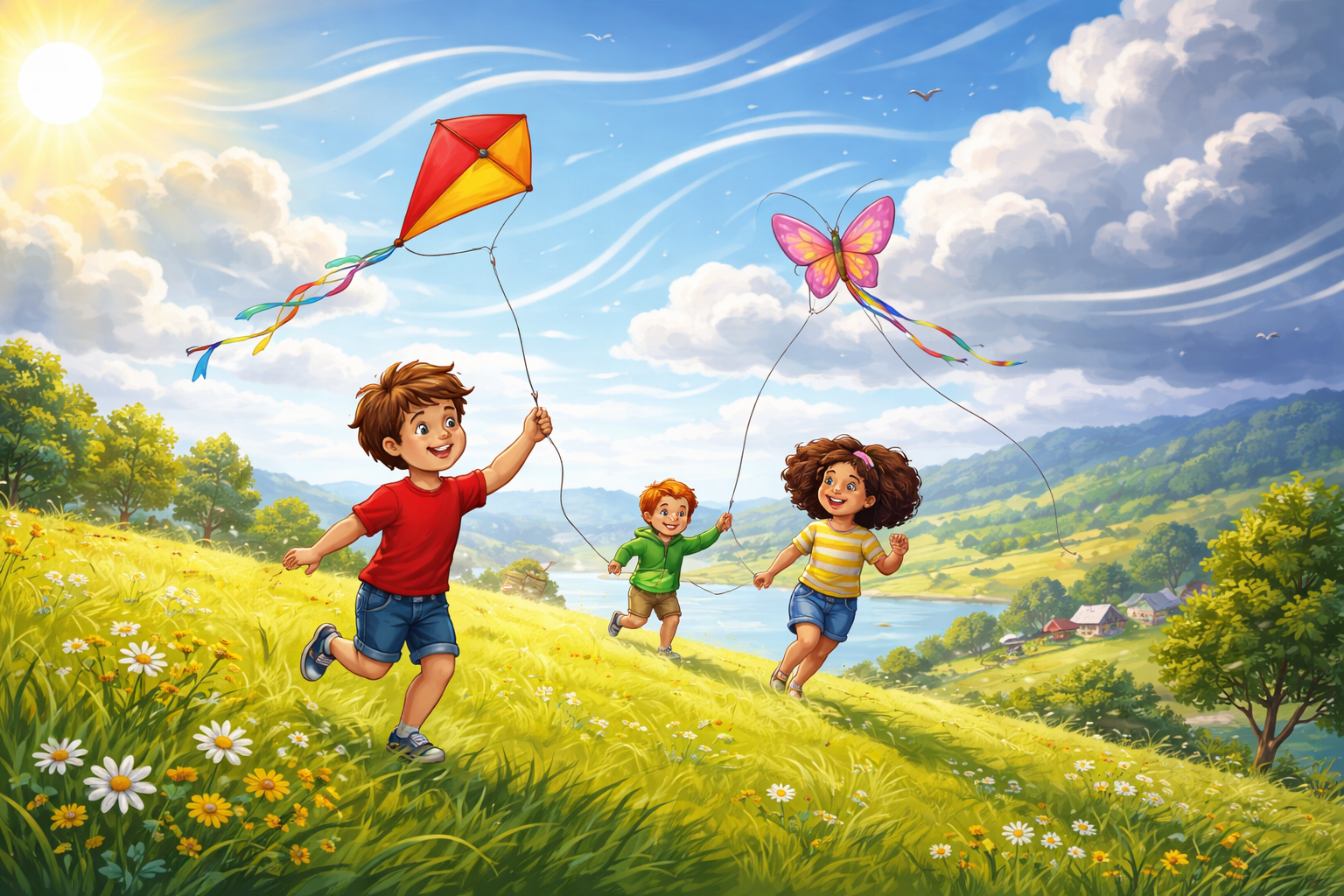
Why Does the Wind Blow? A Kid-Friendly Science Explanation for Curious Families
Wind can feel playful, powerful, or even a little scary to kids. This gentle science story helps parents explain why the wind blows in a way that feels clear, reassuring, and fascinating.
Read more
Why Kids Think Their Thoughts Are Visible (And What That Tells Us About Growing Minds)
Many young children believe others can see or hear their thoughts. This isn’t a mistake—it’s a fascinating and healthy stage of brain development that shapes empathy, privacy, and self-awareness.
Read more
Conversation Starters About Death (for When Kids Ask Suddenly)
Children often ask about death at the least expected moments—and parents rarely feel ready. These gentle, age-aware conversation starters help you respond with honesty, calm, and care when the question comes out of nowhere.
Read more
The Science Behind Echoes (for Parents, Made Simple)
Echoes feel magical to kids—and a little puzzling to adults explaining them on the fly. This parent-friendly guide breaks down the science of echoes in a calm, simple way you can share with children ages 3–12.
Read more
Why Kids Ask "Why" So Much: The Science Behind the Endless Questions
If your child asks "why?" dozens of times a day, you’re not alone—and you’re not doing anything wrong. This deep dive explains what’s really happening in your child’s brain and how to respond in ways that support curiosity without exhausting yourself.
Read more
Common Myths About Rainbows (and What to Tell Your Kids Instead)
Rainbows invite wonder—and plenty of misconceptions. This warm, parent-focused guide gently untangles the most common myths about rainbows so you can support your child's curiosity without shutting down the magic.
Read more
How to Explain Follow-Up Questions to Help Kids Understand Big Feelings (Anger, Worry, Sadness)
Helping kids name and navigate their big feelings starts with gentle, curious follow-up questions. This guide gives parents warm, practical language and science-backed strategies for supporting emotional awareness.
Read more
How to Explain Why the Sky Is Blue to Kids (Ages 3–12)
A warm, science-backed guide to helping children understand why the sky looks blue. Includes simple explanations, a parent-friendly breakdown, and a hands-on activity you can try at home.
Read more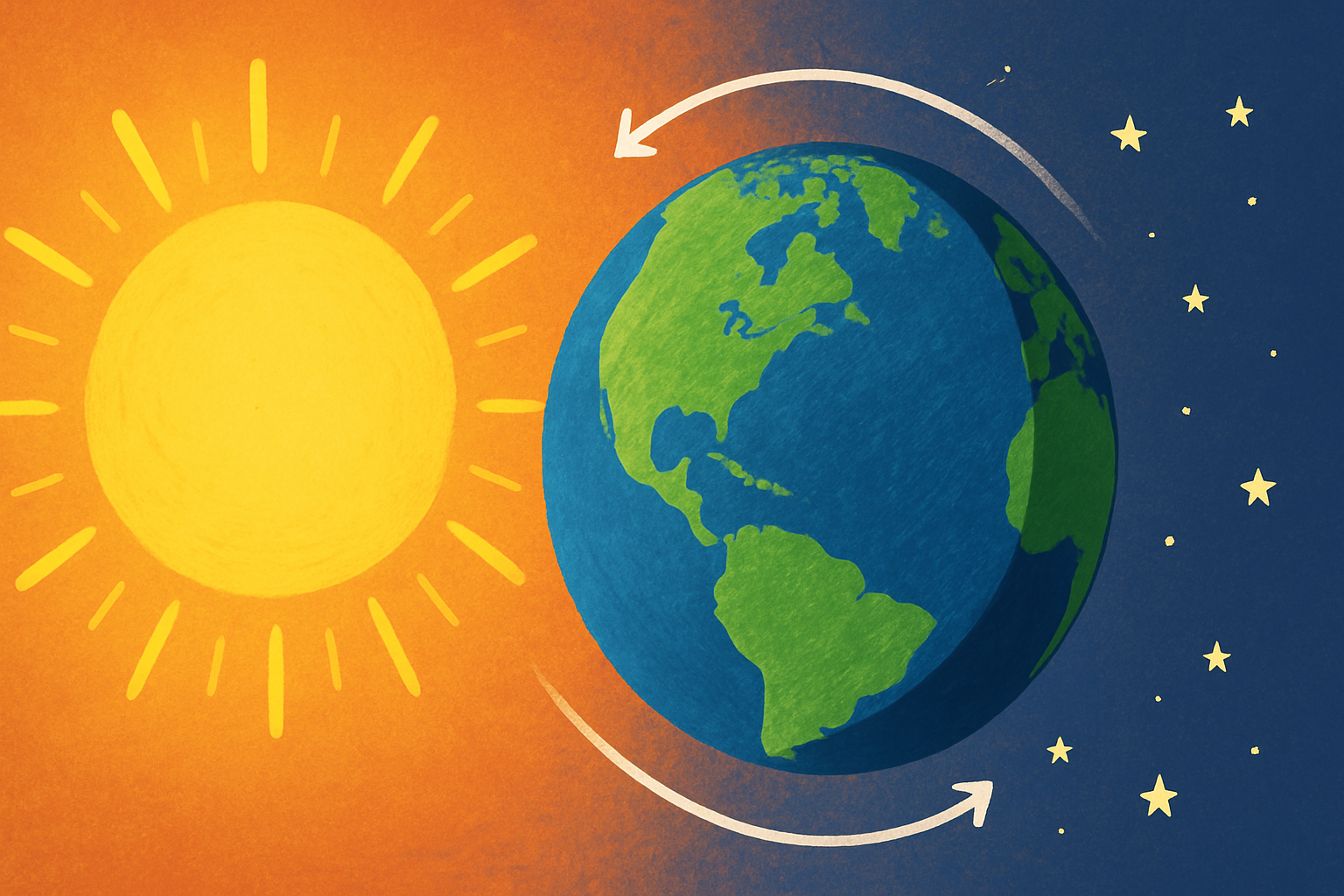
How to Explain Where the Sun Goes at Night to Kids
Kids often wonder why the Sun seems to disappear every evening. This gentle guide helps parents explain day and night with simple science, warm language, and playful activities.
Read more
How to Explain Why the Moon Looks Like It Follows Us to Kids
Kids often notice that the Moon seems to tag along wherever they go. Here’s how to explain this charming illusion with warmth, clarity, and a bit of science magic.
Read more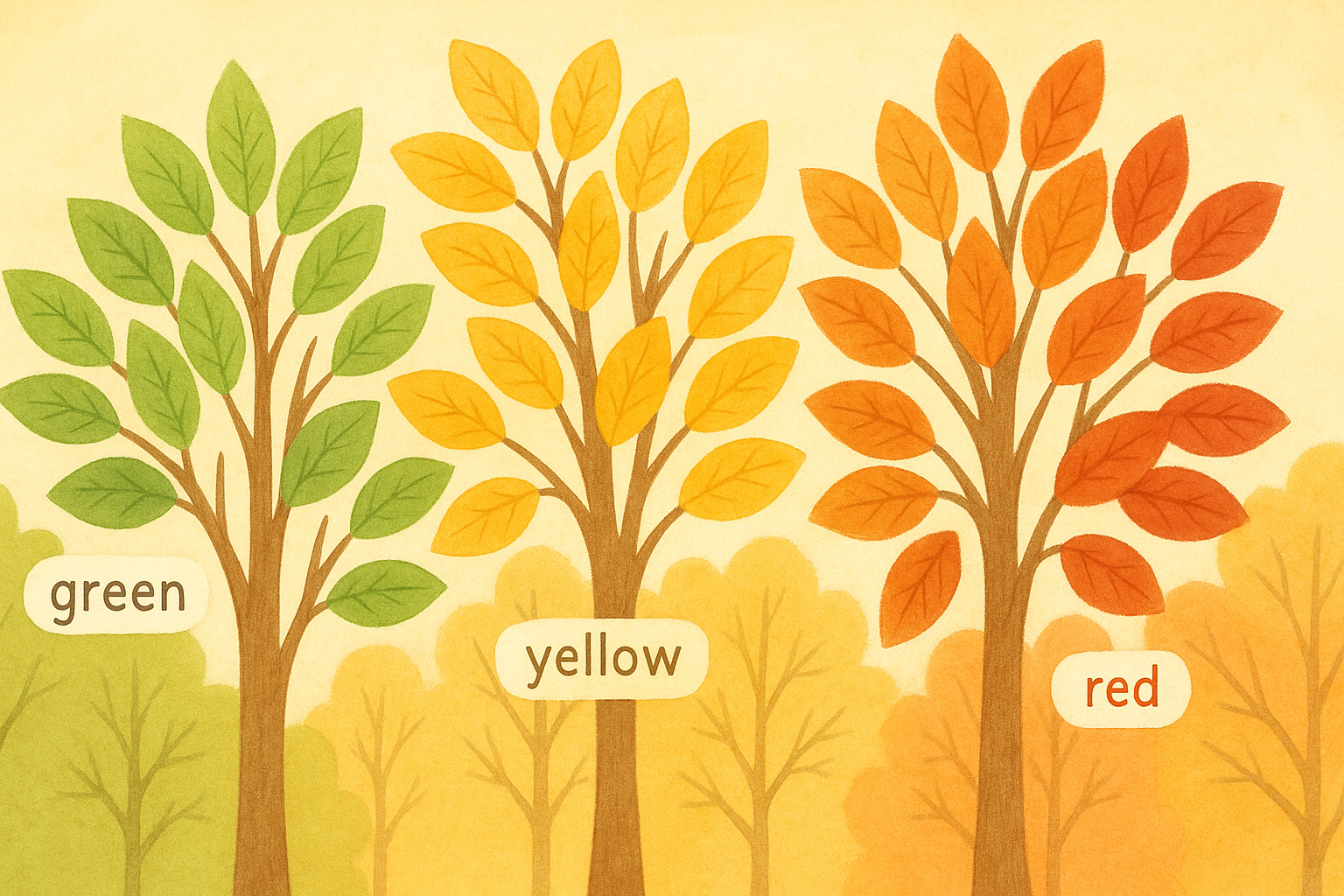
Why Leaves Change Color: A Kid-Friendly Science Guide for Parents
Autumn leaves feel magical to kids, but the science behind their colors is even more amazing. This guide helps you explain the process in warm, child-friendly ways while giving you the simple science you need.
Read more