The Science Behind Echoes (for Parents, Made Simple)

There’s a moment many parents recognize: your child shouts into a tunnel, a gym, or across a canyon—and then freezes.
"It talked back!"
Echoes feel playful and mysterious, which is exactly why kids ask about them. The good news? The science behind echoes is wonderfully simple once you strip away the physics jargon. This article is designed to give parents a clear, confident understanding—so you can explain echoes in a way that feels calm, accurate, and age-appropriate.
The Science Behind Echoes, Made Simple
At its core, an echo is sound coming back to you.
When your child makes a noise—clapping, yelling, singing—that sound doesn’t stop at their mouth. It travels outward as sound waves, moving through the air much like ripples move across a pond. If those sound waves hit something big and solid—like a wall, mountain, or empty hallway—they can bounce back.
When that bounced sound reaches your ears a moment later, your brain hears it as a separate sound. That’s an echo.
Sound out → hits a surface → bounces back → arrives late → echo.
The delay is the key. If the sound comes back too quickly, the brain blends it into the original noise. When there’s just enough space and time, the brain says, “Oh! That’s a second sound.”
The Helpful Analogy: The Ball Toss
If you need a quick mental image, try this:
Sound is like throwing a ball.
- You throw the ball (make a sound).
- It hits a wall (a solid surface).
- The ball bounces back.
- You catch it later.
The farther away the wall is, the longer it takes the ball to return—and the clearer the echo feels.
This analogy works especially well for kids ages 4–8, who already understand throwing and bouncing.
Why Echoes Only Happen in Certain Places
Children often assume echoes should happen everywhere once they learn about them. When they don’t, confusion sets in.
Echoes need three things:
- A loud enough sound (whispers usually won’t do it)
- A large, hard surface (rock, concrete, empty walls)
- Enough distance for the sound to return with a delay
That’s why echoes are common in:
- Canyons
- Tunnels
- Empty gyms
- Stairwells
And rare in:
- Bedrooms with curtains
- Carpeted rooms
- Spaces full of furniture or people
Soft objects like couches, rugs, and clothing absorb sound instead of bouncing it back. To kids, it can help to say those materials are “sound sponges.”
The Age-Progression Guide: How Kids Understand Echoes
Children’s understanding of echoes changes with development. Knowing this can help parents pitch explanations just right.
Ages 3–4: Echoes feel alive or intentional. Some children think the space itself is talking.
Gentle correction: “It sounds like a voice, but it’s really your sound coming back.”
Ages 5–7: Kids grasp the idea of bouncing sound, but may think echoes copy words on purpose.
Clarify: “The echo doesn’t know the words—it just repeats the sound.”
Ages 8–12: Children can understand sound waves, distance, and timing. This is a great age to introduce simple cause-and-effect explanations.
Expand: “The sound travels really fast, but it still takes time to come back.”
The Micro-Conversation (Parent-Ready)
Child: “Why did it say what I said?”
Parent: “It didn’t really know what you said. Your sound bounced off the wall and came back to us—like a boomerang made of sound.”
Short, calm explanations like this reduce mystery without killing the fun.
The Emotional Lens: When Echoes Feel Scary
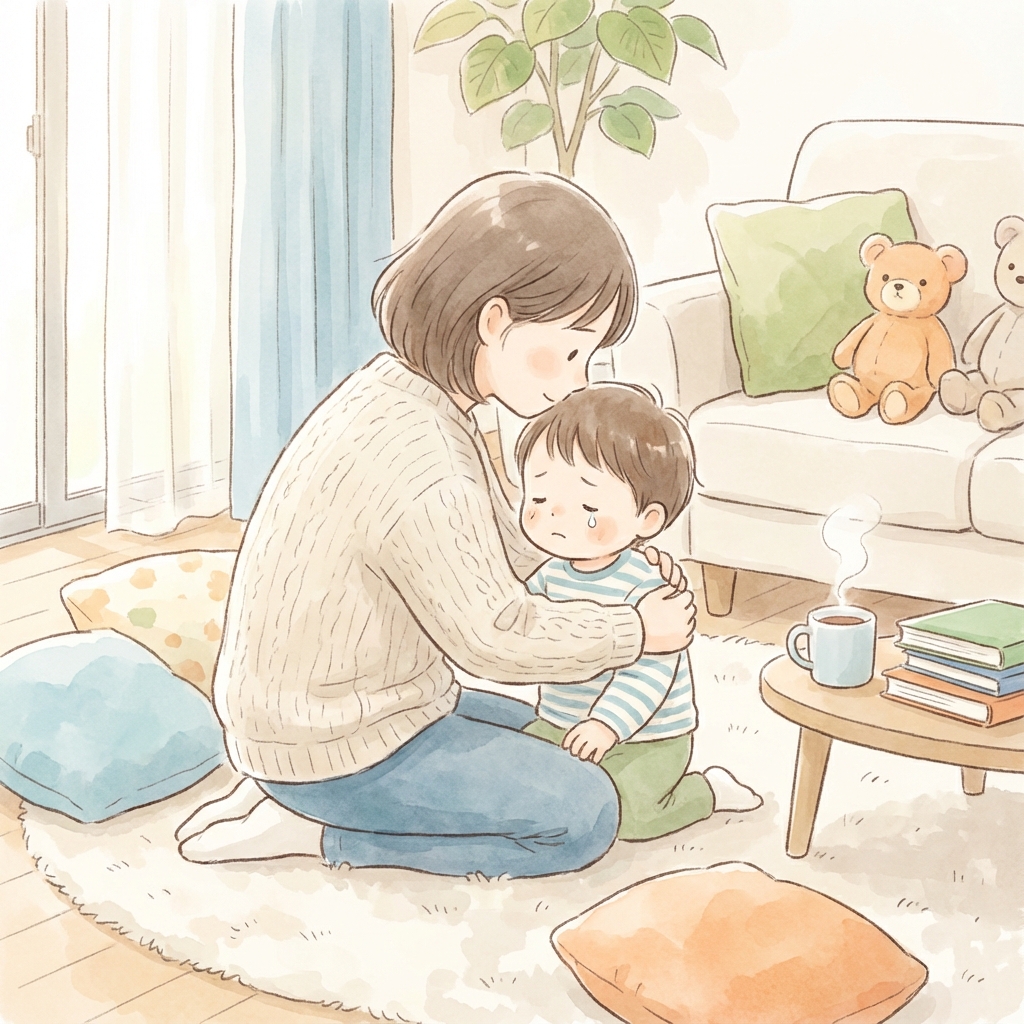
Not all kids find echoes delightful. For some, especially younger children, echoes can feel startling or overwhelming.
Common reactions include:
- Covering ears
- Fear that someone is hiding
- Worry that the sound is “out of control”
In these moments, reassurance matters more than explanation.
“Nothing new made that sound. It was just your voice coming back.”
Once the child feels safe, curiosity often follows naturally.
The Do: A Simple Echo Experiment at Home
You don’t need a canyon to explore echoes.
Try this:
- Stand in a bathroom or stairwell.
- Clap once.
- Then clap again while holding a towel or blanket against the wall.
Ask:
- “Did it sound different?”
- “What changed when we covered the wall?”
This gently introduces the idea of sound absorption without formal science language.
A Common Parent Pitfall
It’s tempting to over-explain echoes with technical terms like “frequency,” “reflection,” or “velocity.” While accurate, these can overwhelm young kids and shut down curiosity.
A better approach:
- Start simple
- Watch their reaction
- Add detail only if they ask
Understanding grows best when explanations match the child’s emotional and cognitive readiness.
The Real-World Tie-In Kids Love
Animals use echoes too.
Bats and dolphins send out sounds and listen for the echoes to understand their surroundings. This process is called echolocation, and it helps them “see” with sound.
For kids, this often sparks awe—and reframes echoes as something useful, not just strange.
Bringing It All Together
The science behind echoes doesn’t require complex physics—just a clear picture of sound moving, bouncing, and returning. When parents understand echoes calmly, children pick up that calm too.
Echoes become less about surprise and more about curiosity.
And the next time your child shouts into a tunnel and waits, smiling, for the sound to come back—you’ll know exactly how to explain what’s happening, without rushing or overthinking it.
Sometimes, the simplest science answers are the ones kids remember longest.
Start explaining the world today
Join thousands of parents who use Little Answers to turn 'Why?' into a moment of connection.